Discover Xativa & Beyond

Xàtiva (Spanish: Játiva) is a historic and characterful town in eastern Spain, located in the province of Valencia on the western bank of the River Albaida. It lies at the junction of the Valencia, Murcia and Valencia, Albacete railways, serving as the capital of the La Costera comarca in the northern Central Comarcas region. Xàtiva holds the distinction of having the highest number of enclaves in Spain, a remarkable twenty-six, and is just 25 kilometres west of the Mediterranean coast.
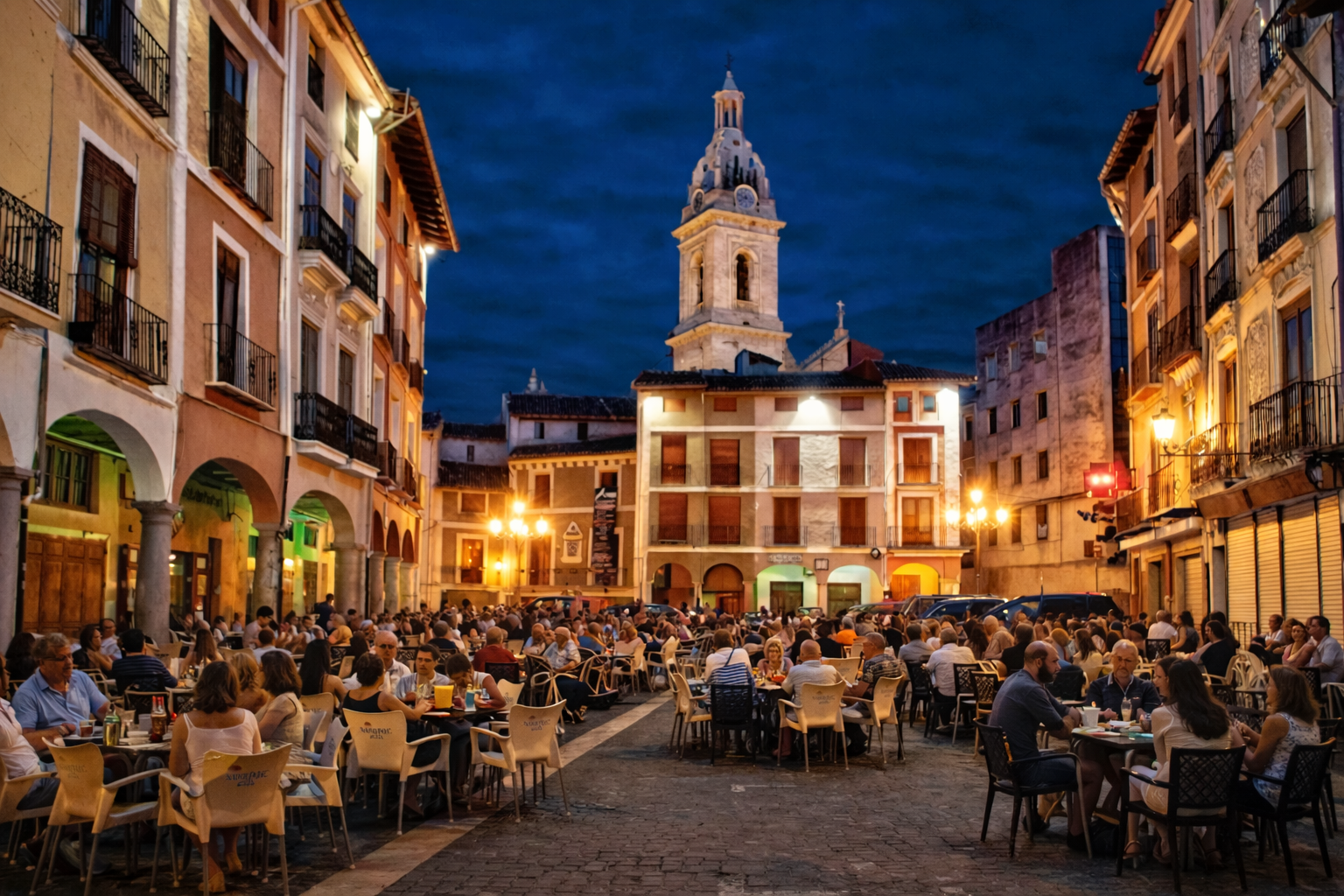
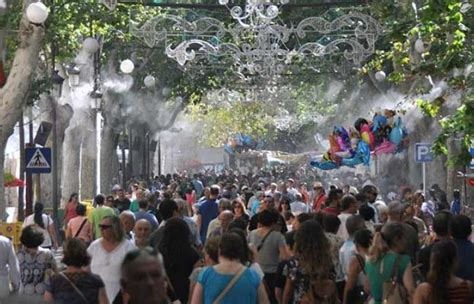
On summer evenings the atmosphere is one of family and community, people of all ages out until very late enjoying life, certainly the older residents of Xativa are not worried about strolling around the town at midnight.
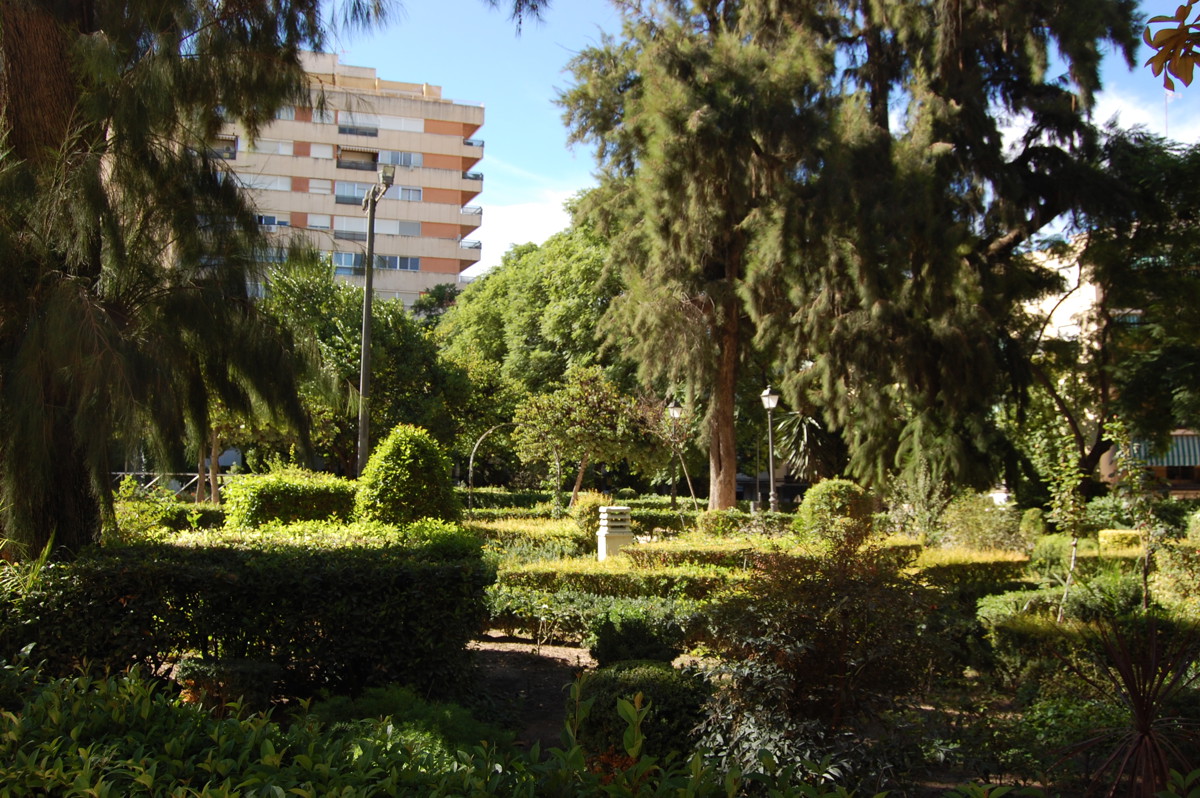
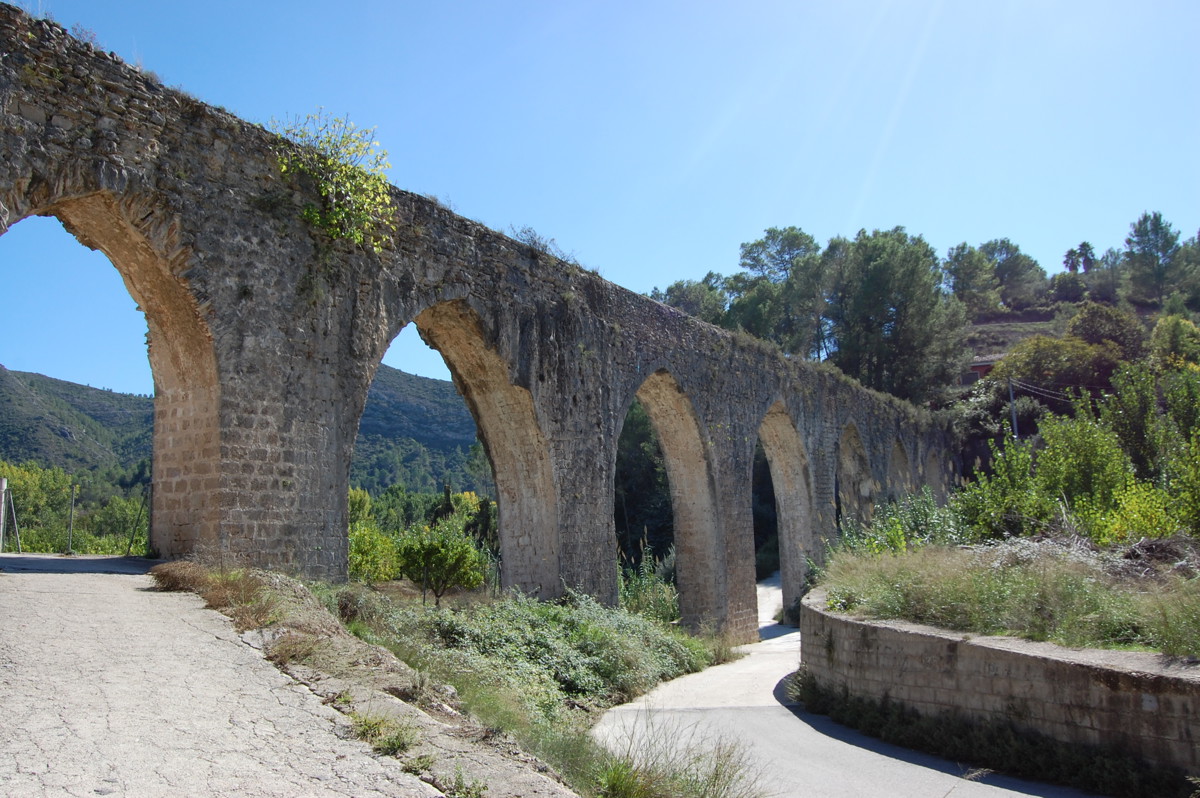
Surrounded by lush green hills, orange groves, and natural beauty, Xàtiva is framed by a landscape of rivers, springs, and gentle mountains. The nearby towns and villages, such as Anna, Enguera, and Bocairent, are full of charm and make for delightful day trips.
After the Reconquista and Christian repopulation, Xàtiva became the cradle of the powerful and controversial Borgia family, who gave the world two Popes — Callixtus III (Alfonso de Borgia) and Alexander VI (Rodrigo de Borgia).
Historically, Xàtiva was one of the most important towns in the Kingdom of Valencia, rivaling both Valencia and Orihuela during the foral period. Though much of it was destroyed by Bourbon troops during the War of the Spanish Succession in 1707, it still preserves a rich artistic and cultural heritage.
In 1822, it briefly served as the capital of the Province of Xàtiva before being dissolved in 1833. Later, in the late 1970s, it was even considered as a potential capital of the Valencian Community thanks to its historical and geographical significance — a neutral option between Alicante and Valencia.
Today, Xàtiva is home to around 30,000 residents (2024) and, together with its nearby municipalities, forms part of an integrated urban area of roughly 61,000 people. Blending culture, history, and natural beauty, it’s a town that perfectly captures the authentic heart of Spain.
We had never heard of the town until my sister came to live here, she originally intended to make her home in Denia, but was persuaded to have a look further inland and discovered this hidden gem. We came out for a visit and immediately fell in love with the place.
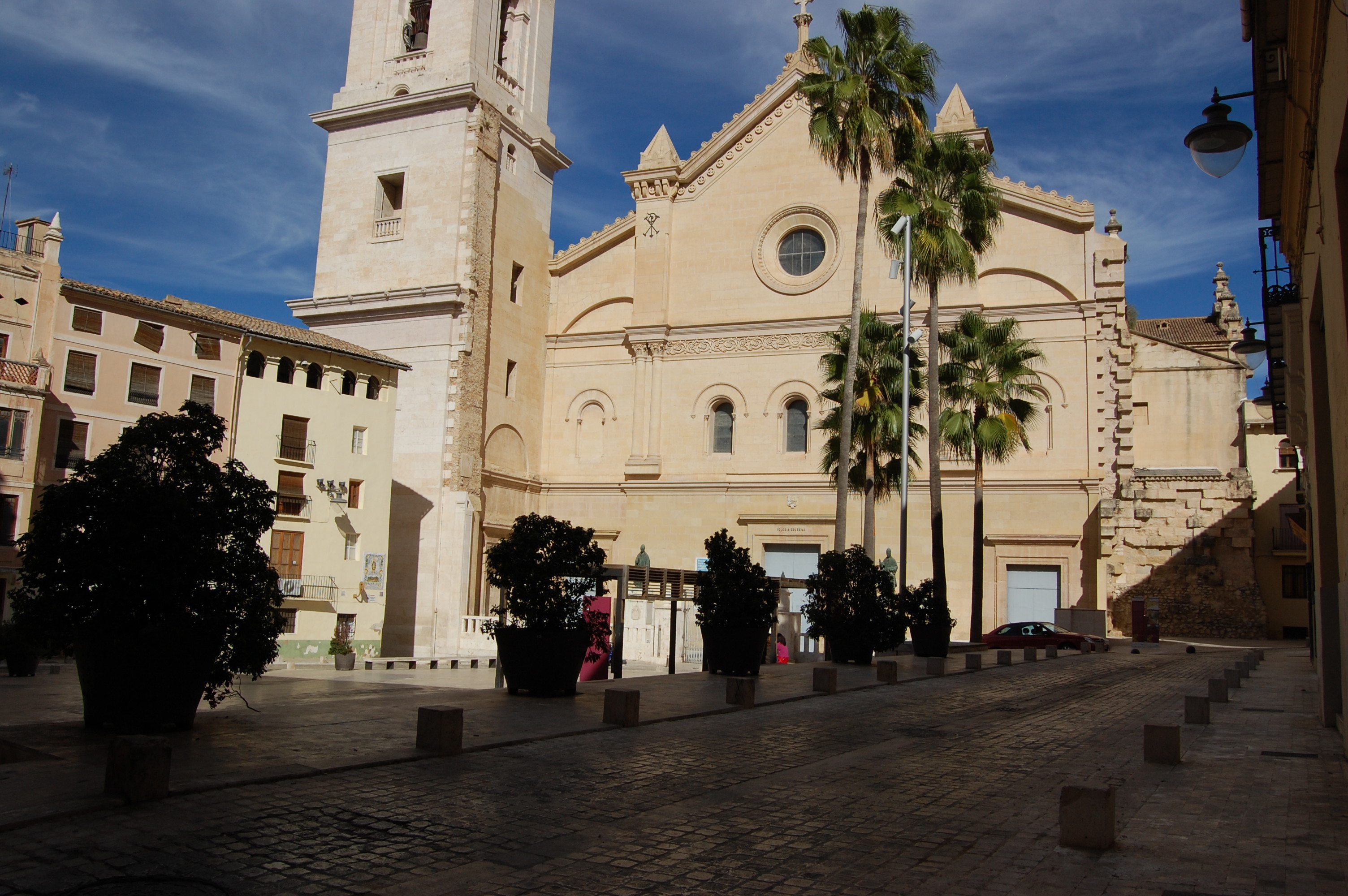
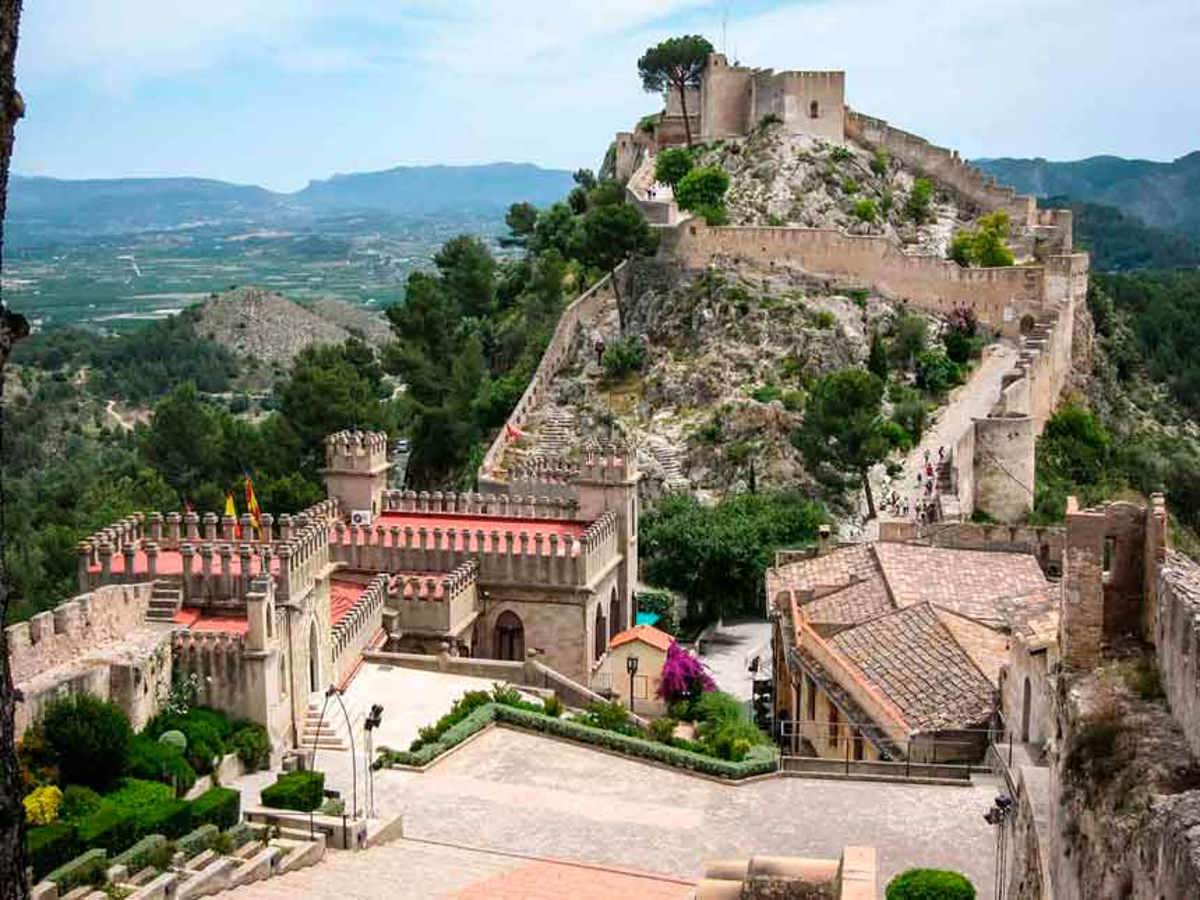
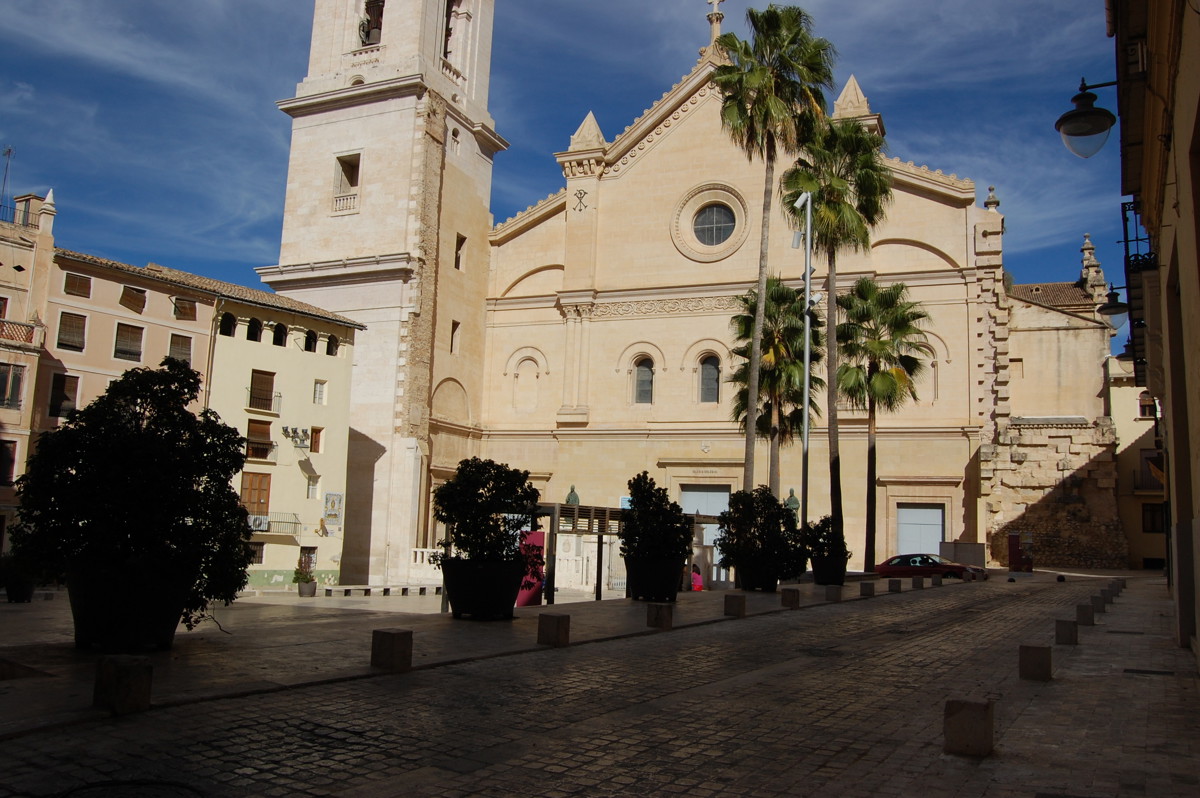
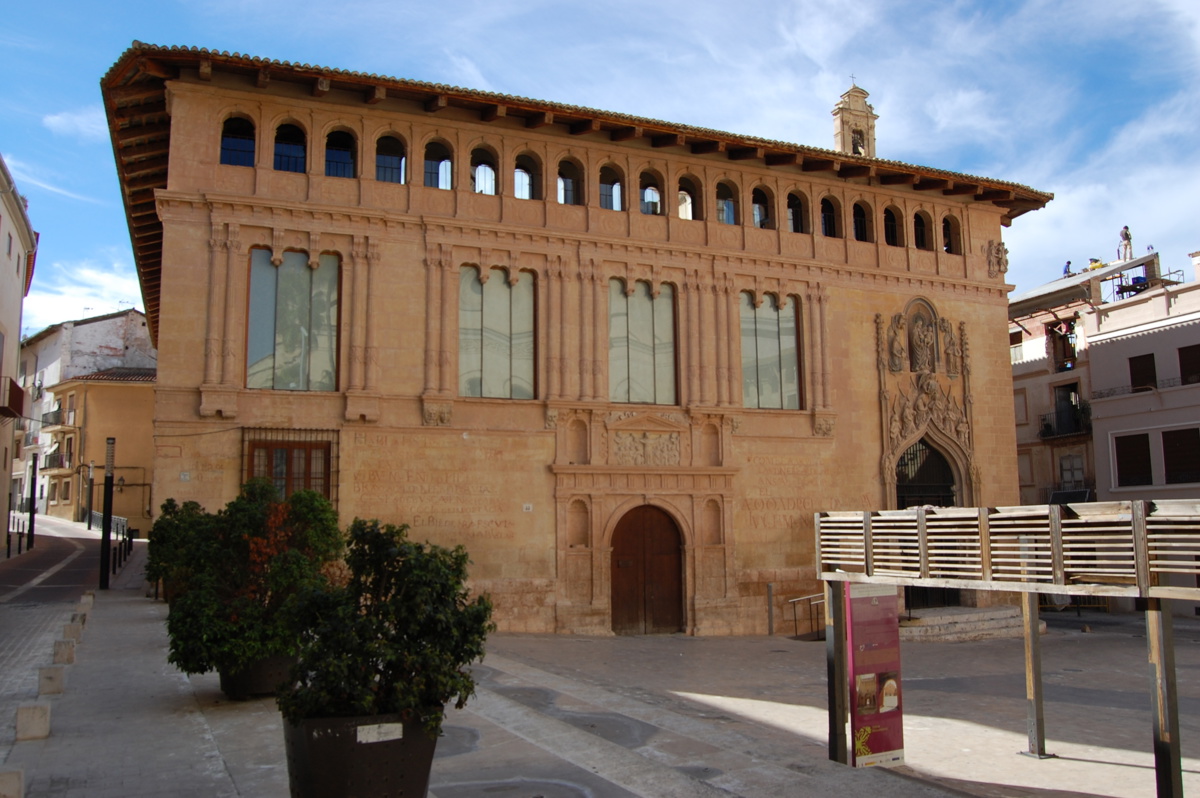
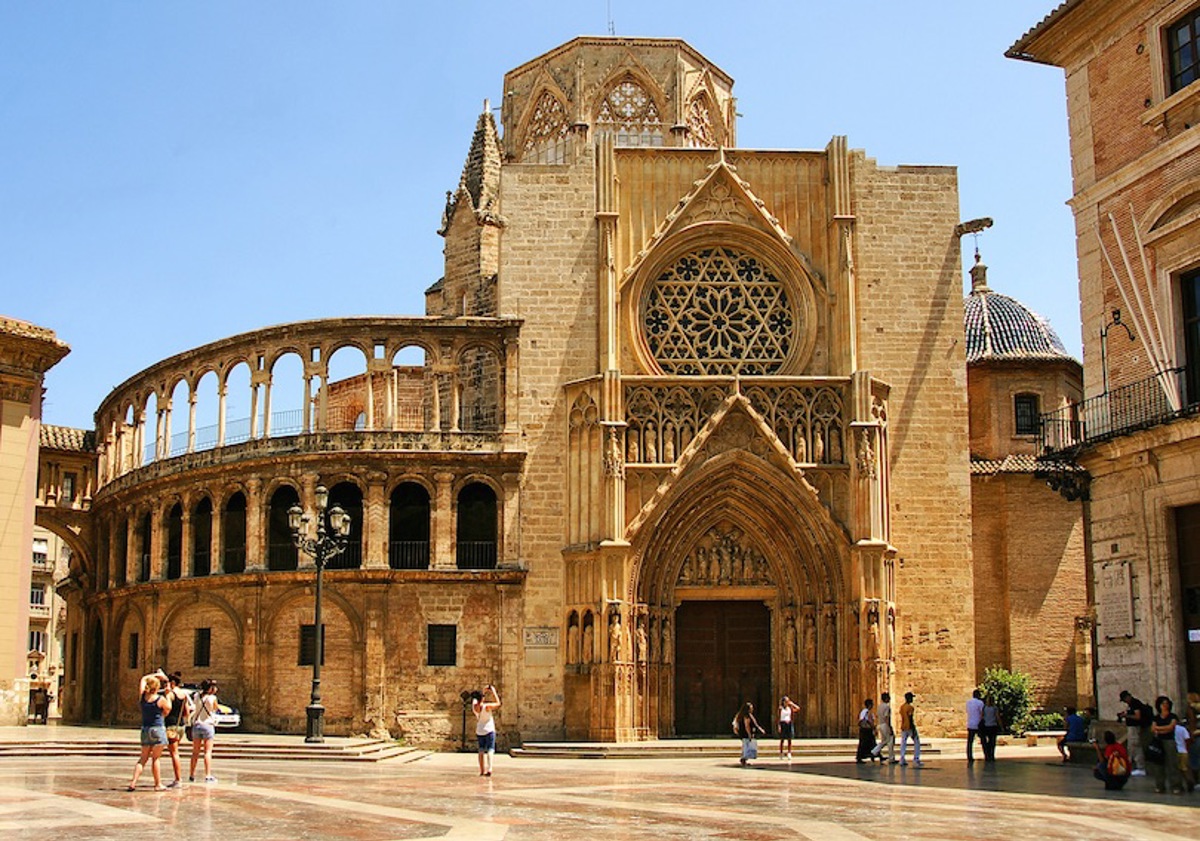
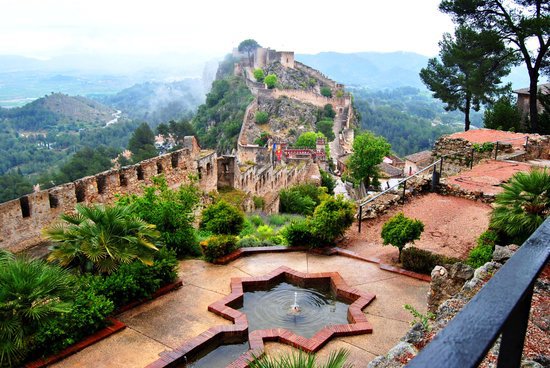
The historic old town is fascinating, particularly the castle ruins which is serviced by an excellent tour. From the beautiful Basilica houses to some of the effigies that are paraded through the town on Good Friday, something not to be missed.
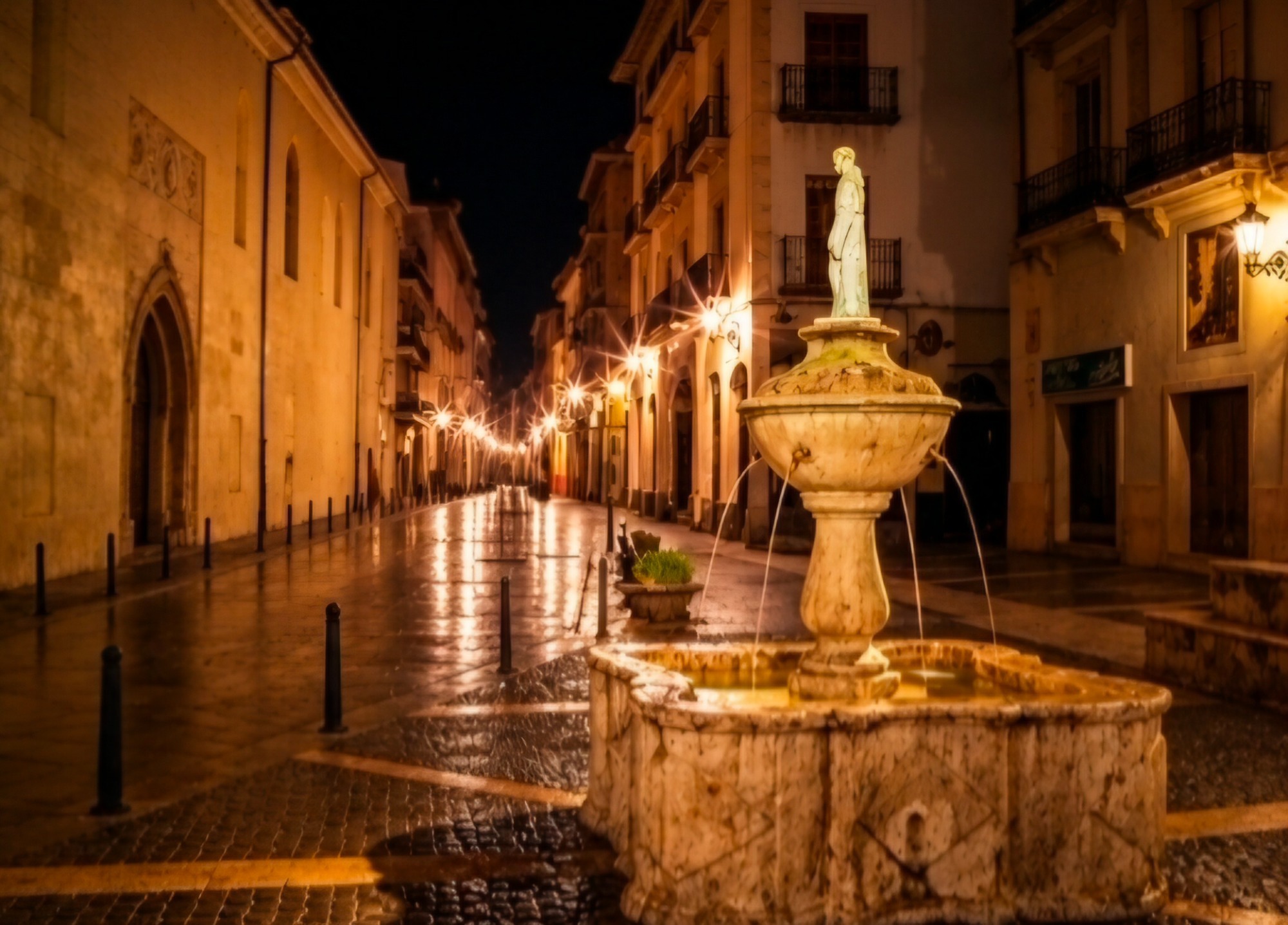
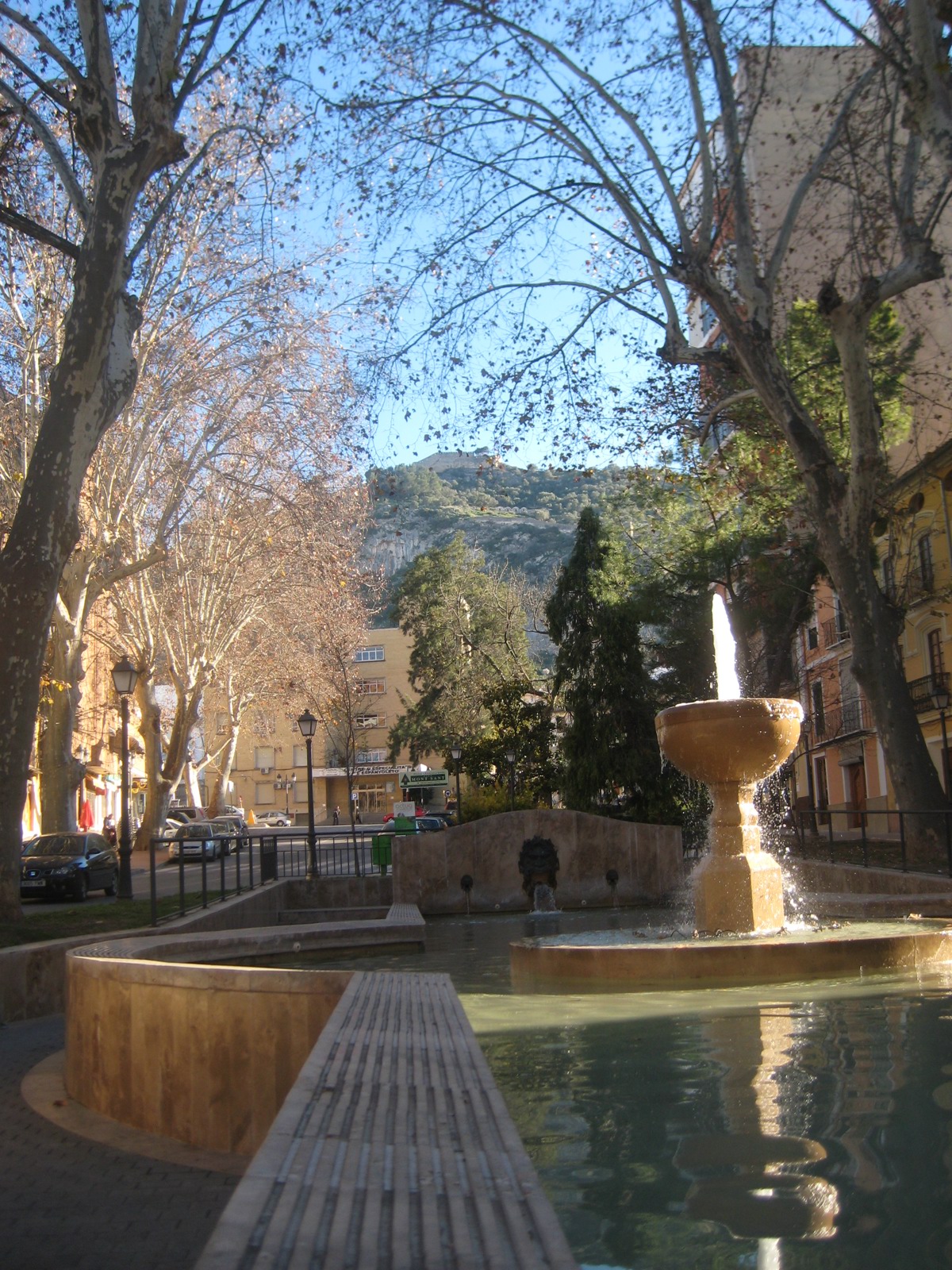
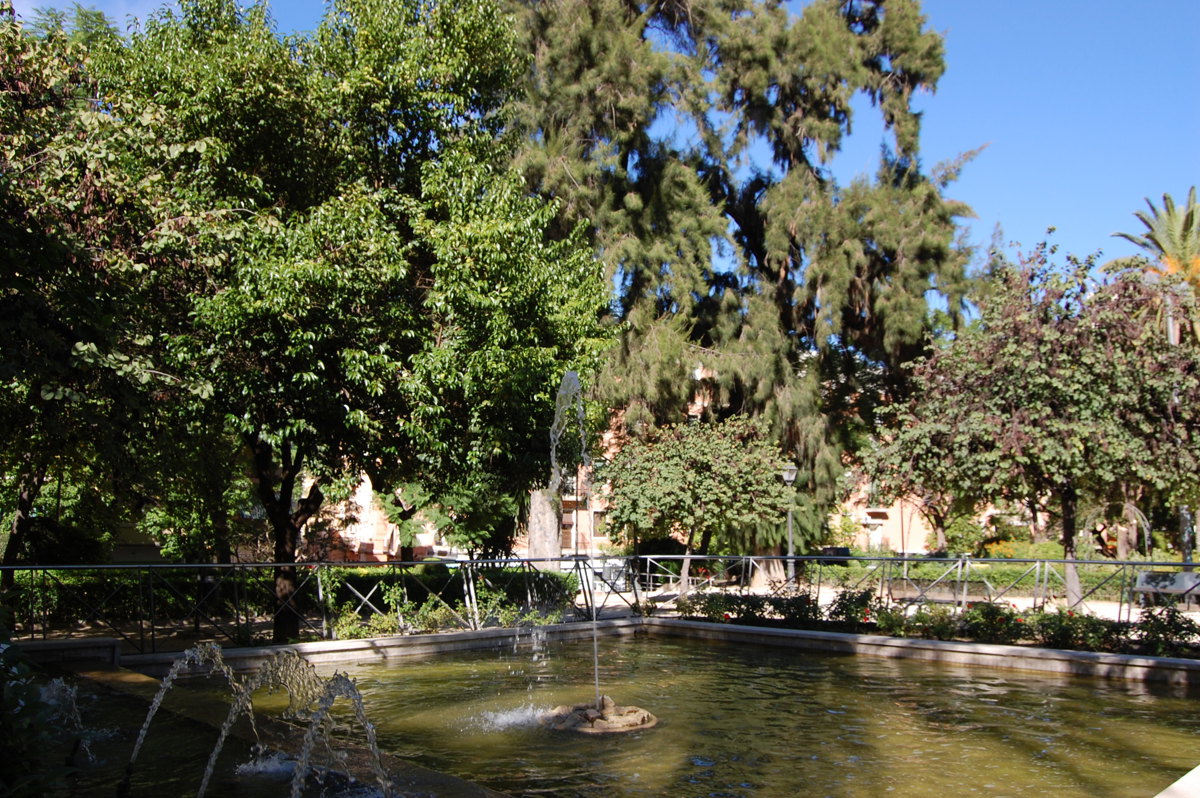
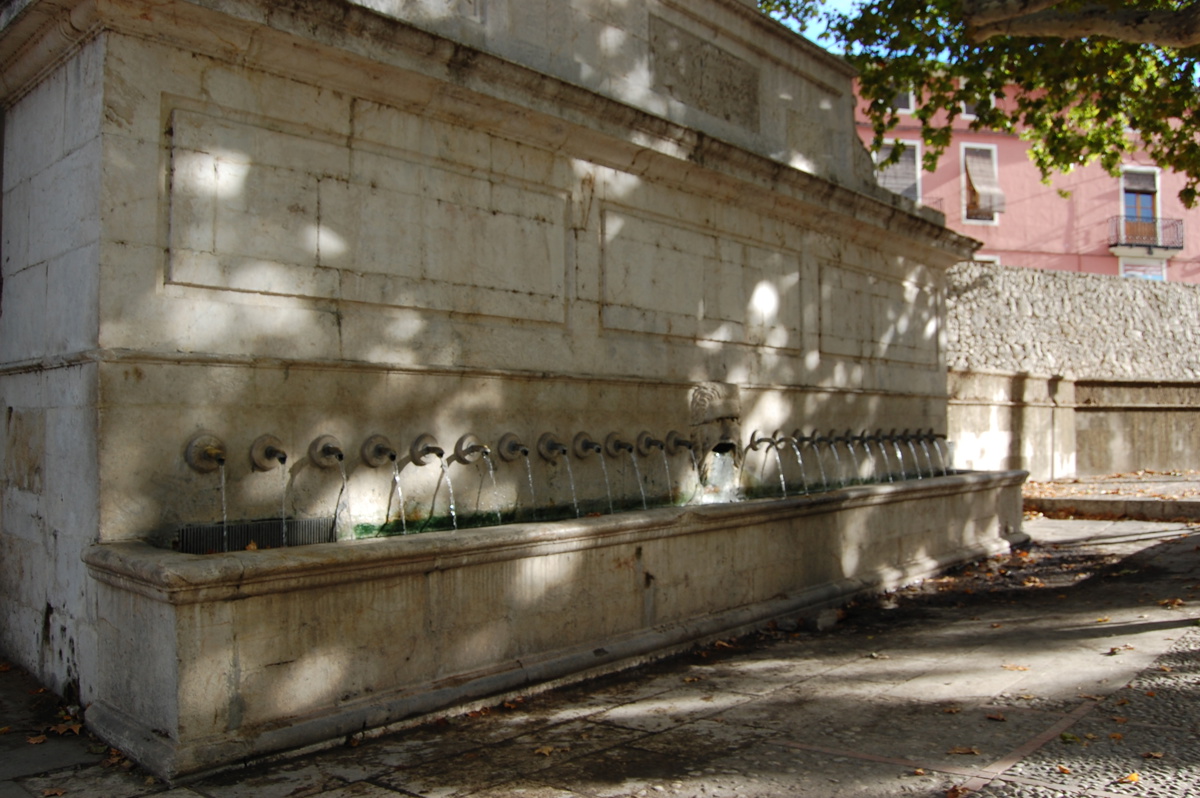
The town, originally Roman, was founded because of it’s unlimited supply of fresh water which is provided by natural springs, you will often see people filling their water bottles from one of the many fountains.
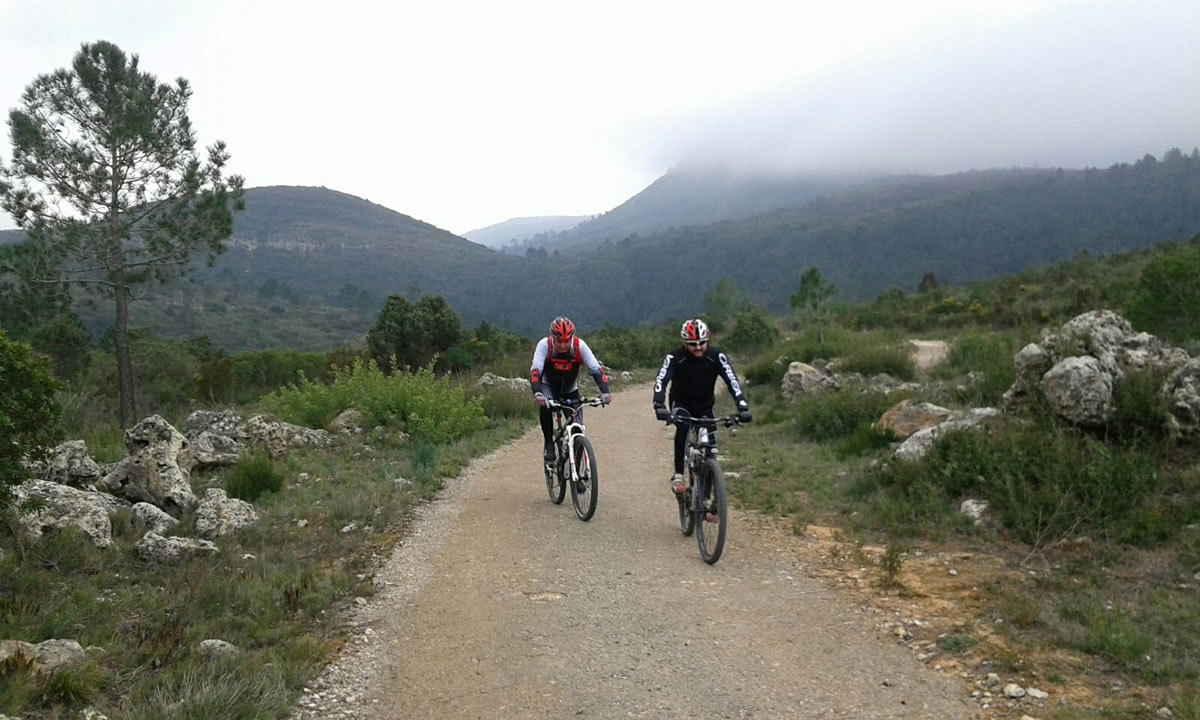
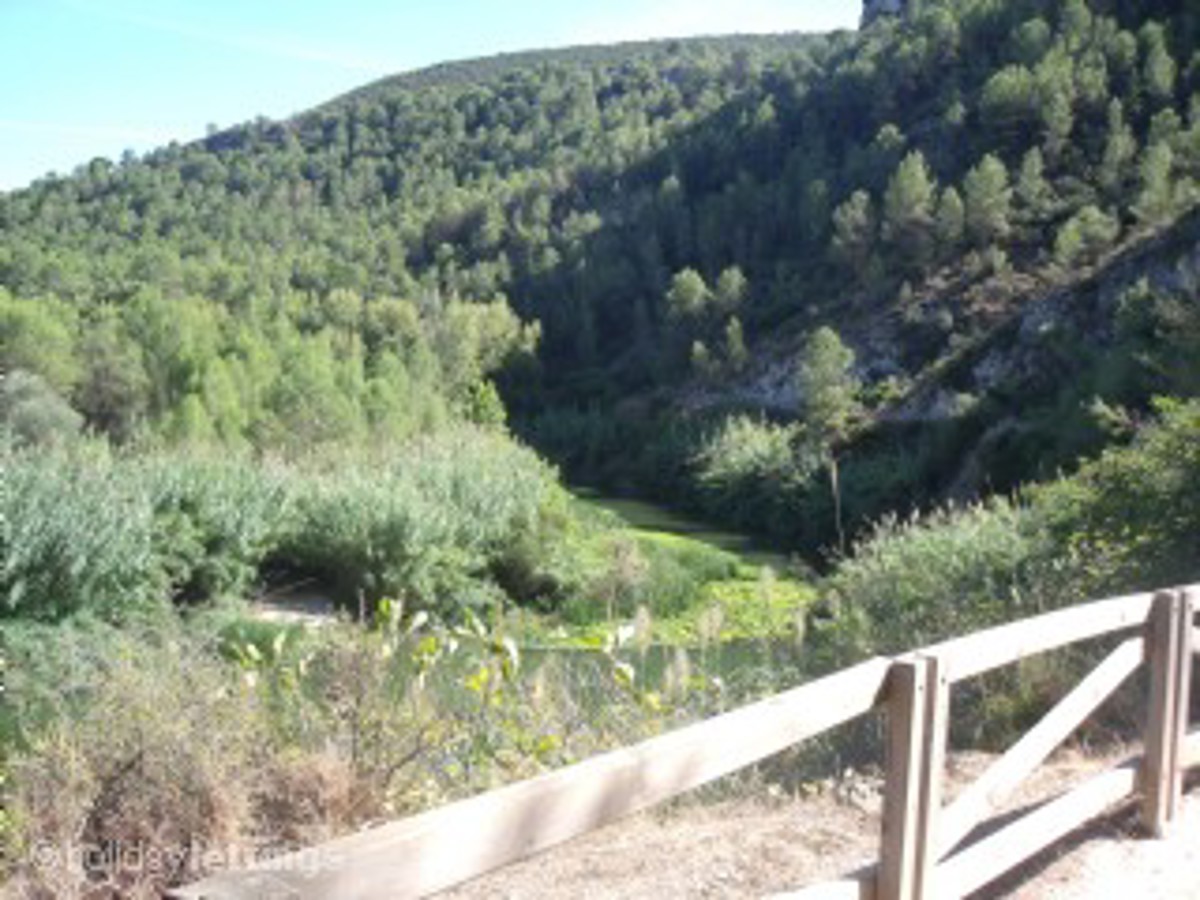
The surrounding countryside is very green, the mountains offer a a breathtaking backdrop to the orange and olive groves which are abundant here.
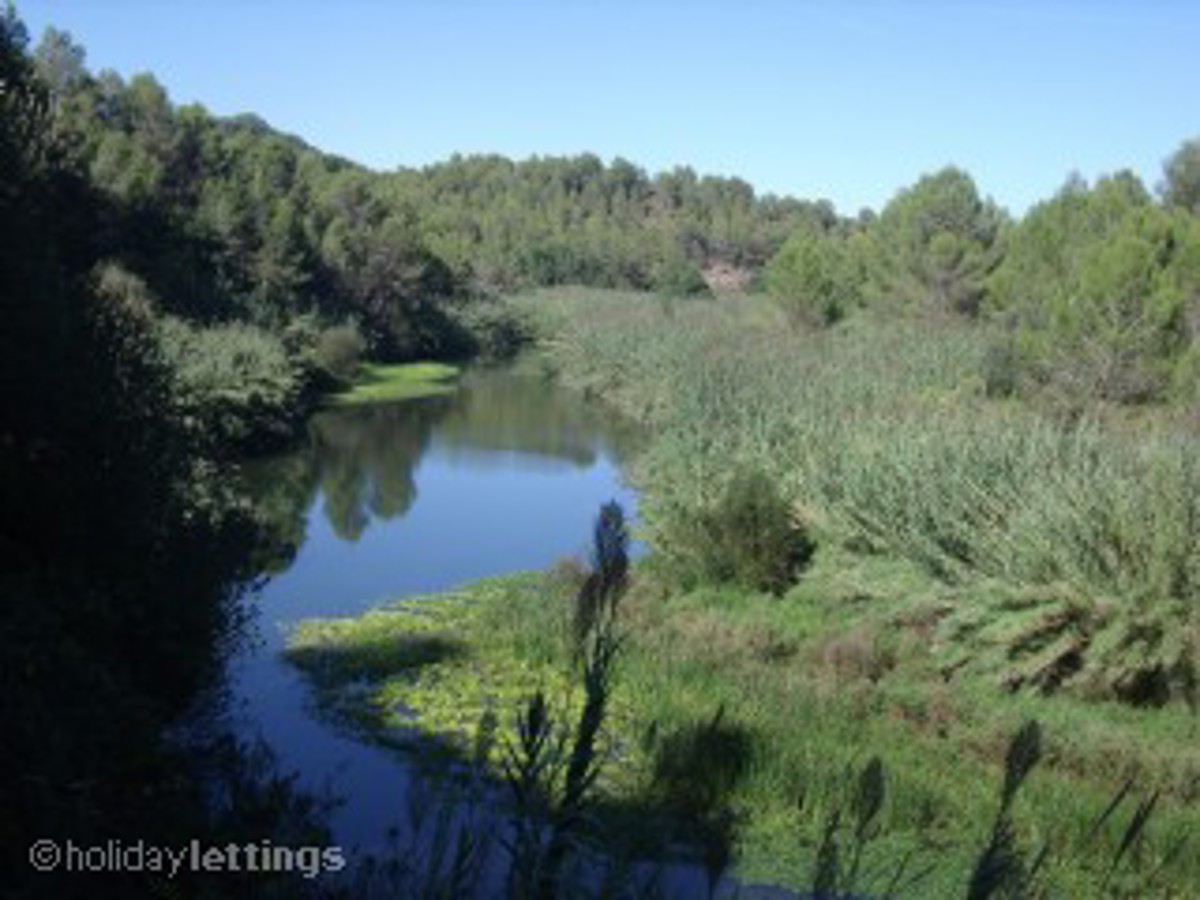
There are lovely walks through quiet areas and rivers full of fish.
Birdlife is varied and some are very pretty, a visiting friend, counted 22 different species in one morning while sitting in our garden.

At Christmas the tree and Nativity Garden stand for the 12 days and are never vandalised, something that would be a miracle in the U.K. The festivities conclude on the 6th Jan with the festival of the Three Kings, a lovely festival for the children.
In March is the Spectacular Fire Festival, when the most incredible paper mache effigies are built and then burnt, all this in the middle of a busy town.
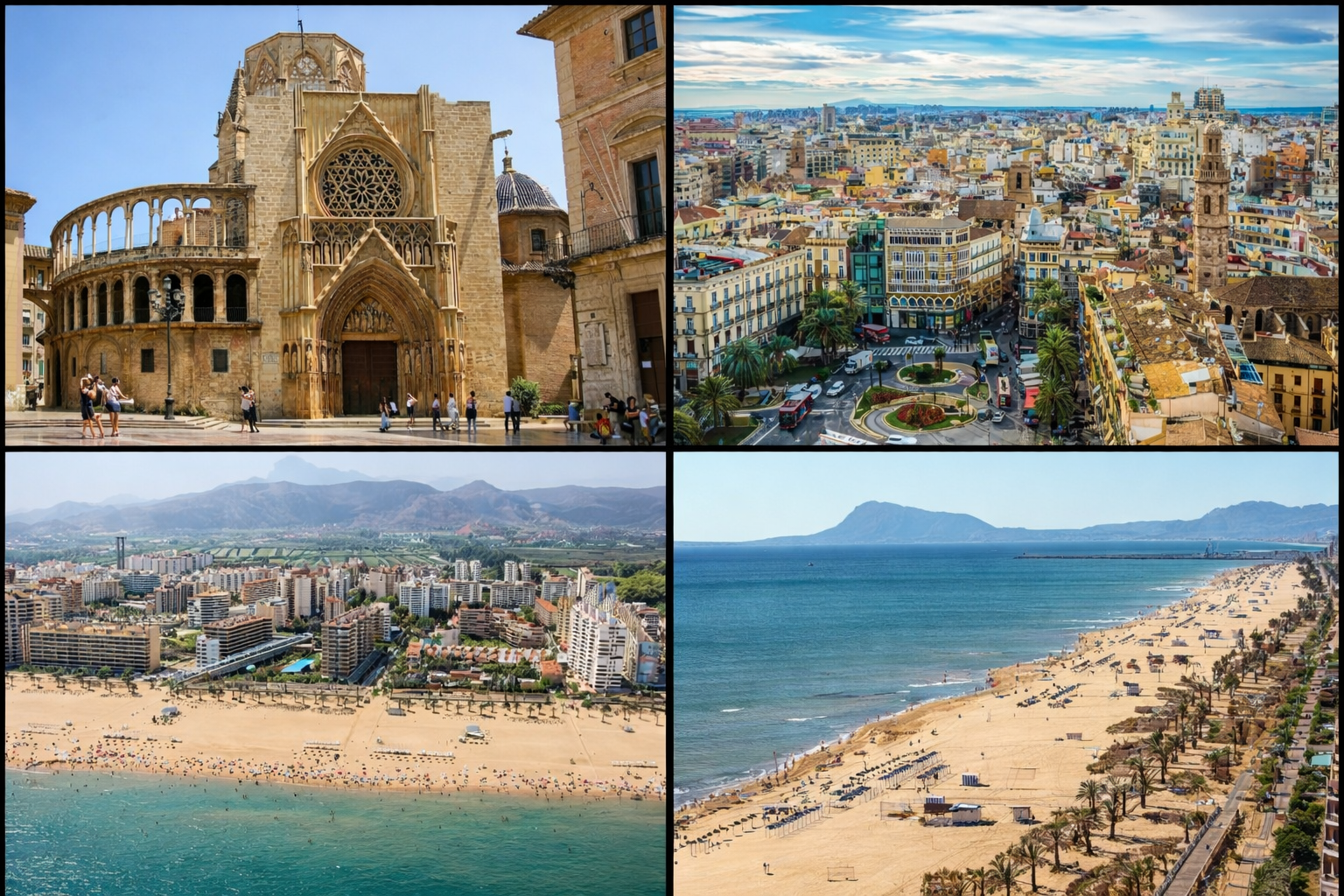
And, in only 30 mins drive you can reach the sea and a variety of beautiful beaches. Whether it's the fun of Gandia and Valencia or the quiet and relaxing Taverness.
I could go on about the place forever, but don’t take my word for it, come and see for yourself, you will not be disappointed.
Discover Xativa